


The Neolithic Of The Near East
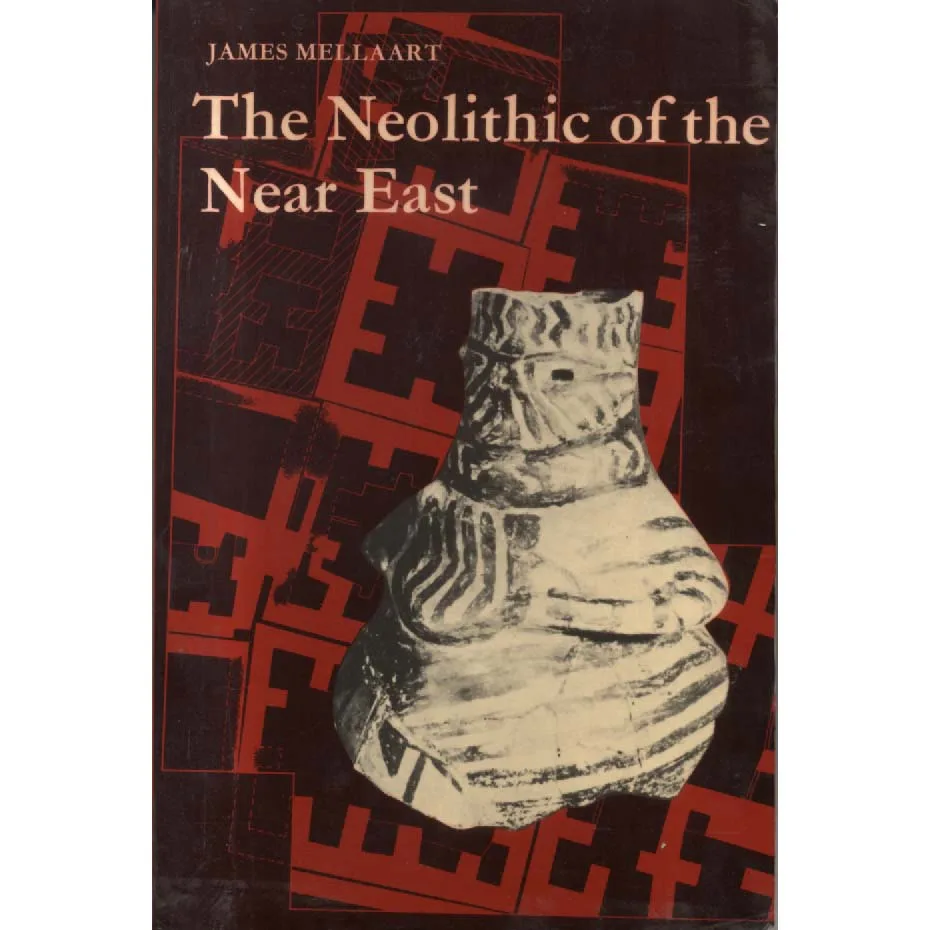
Publisher: Thames and Hudson
Format: Paperback
ISBN: 0500790035
The Neolithic of the Near East (1975)
by James Mellaart • Thames & Hudson • ISBN: 0500790035
Condition: Good • Offered by Crappy Old Books
Picture this: somewhere between the last Ice Age and the invention of coffee, a few spectacularly ambitious villagers in the Levant looked at wild wheat and said, “What if we… owned breakfast?” James Mellaart’s The Neolithic of the Near East is the grand, trowel-in-hand tour of that audacious moment when humans stopped chasing dinner and persuaded it to grow politely in rows.
Mellaart—who spoke fluent stratigraphy and could read a tell like a diary—maps the whole transformation: from round huts to right-angled living, from hunter’s luck to farmer’s logistics, from “nice rock” to obsidian supply chain. He ushers you through Jericho’s early walls (yes, before the trumpet section), Çatalhöyük’s stacked rooms, Anatolian figurines with opinions, plastered skulls that stare back at your modern sensibilities, sickle gloss that tells on industrious harvesters, stamp seals, storage bins, and the moment pottery makes everything both more practical and somehow messier.
This is classic Thames & Hudson: crisp prose, site plans and photographs, line drawings that make you feel clever, and a sweep of argument that places the Near Eastern Neolithic at the very hinge of history—the bit where “culture” stops being a campfire and becomes infrastructure. Mellaart’s specialty is turning mudbrick and seed impressions into narrative: why villages grew where they did, how households coordinated without a meeting app, and what happens to a society when agriculture turns surplus into status and storage jars into stories.
Inside, you’ll encounter:
-
Pre-Pottery Neolithic A & B behaving like a two-part pilot episode—stone tips, communal architecture, then the big pottery reveal.
-
Architectural plot twists: round to rectangular houses, rooftop streets, rooms that remember their own renovations.
-
Domestication drama: sheep, goats, wheat, barley—plus the political career of the humble storage pit.
-
Ritual & everyday life interleaved: wall paintings, figurines, skulls with plaster smiles, and the daily choreography of grinding grain.
-
Trade before trucks: obsidian routes flashing across Anatolia like Stone Age fiber optics.
For whom is this happily earth-toned epic?
-
The reader who wants one book that makes the whole Near Eastern Neolithic feel legible, vivid, and unexpectedly funny.
-
The armchair excavator who enjoys a well-argued stratigraphic section.
-
Anyone who suspects that civilization began not with kings, but with cottages, storage jars, and people negotiating whose turn it is to grind.
Condition notes (from your friends at Crappy Old Books):
Graded Good—the respectable kind. Text clean and readable, binding steady, pages with the sort of mild, well-traveled patina that whispers of prior scholarly crushes. Expect light shelf wear, a touch of age toning, and perhaps the occasional archaeological fingerprint (the book’s, not yours). In short: sturdy enough for field camp, handsome enough for the bookshelf.
Why you’ll actually finish it:
Because Mellaart treats the Neolithic not as a prelude but as the main act—the invention of home, of neighborhood, of tomorrow. By the last page, you’ll look at a loaf of bread like it’s a triumphant piece of technology (which it is), and you’ll never underestimate a mudbrick again.
Crappy Old Books: rescuing the past, one gloriously annotated timeline at a time.
Keep browsing: See more History books Other books by James Mellaart
